


Design a Robotics Course
Code Chautari is an after school program for public schools in Nepal with a series of connected classes on Computer Literacy and Computer Programming. It aims to develop computer skills, build computational thinking and problem solving skills.
Currently we have a one year course where students learn basic computer skills and then transition to understanding basic concepts of computer programming using Scratch and Python. Our present curriculum includes only software programming.
Over the years with our experience, we have realized that kids want to engage with hardware and hands-on tangible materials as well apart from just coding on the computer. So we are looking for a person who can design a curriculum (along with all the detailed activities, teaching materials, lesson plans, etc) related to hardware programming and/or robotics.
The course can be targeted either towards a group of students with no programming knowledge and experience or a group of students with experience in Scratch Programming and basic understanding of programming concepts like loops, variables, operators, conditions etc.
The person will research all the tools, hardware and robotics kits that can be used to teach programming to the kids in a child-friendly way while also developing their computational thinking. The person will then design a full fledged robotics workshop with detailed lesson plans of each classroom activity. Later some mock classes will be done to observe students, take feedback and improve the lesson plans. They will have to think of a low-cost and easily available materials for the classroom.
With this volunteering project, you will get opportunities to:
a. Make an impact on Nepali kid's futures.
b. Interact with students of public schools in Nepal virtually.
c. Develop your course and learning design skills.
d. Better understand the educational challenges and opportunities in Nepal’s public schools related to Computer Science.
a. A Robotics Course Curriculum
b. Detailed lesson plans of each classroom activity
c. Instruction sheets of lesson plans wherever necessary
d. A learning assessment module as per required by the course
e. List of materials required, where to buy and their estimated cost
f. Facilitate classes based on the lesson plans to take feedback
g. Weekly update reports
h. A write-up (blog or article) about the overall process of designing the curriculum and how it might help kids learn programming
i. A write-up (blog or article) based on experiences from the classroom
j. A final report of the work done
a. Discussion with the school team and local teachers if required.
b. Virtual Classroom with white board, projector and computers with 16 students approximately.
c. Stationery readily available for use by the students during any lesson delivery.
d. If there is any classroom lesson that includes the use of kits viz. Arduino, Micro:bit and Makey-Makey, they are available for use by the students
Pietre miliari
Resoconto finale
Debriefing finale con il team di Code Chautari
Relazione finale
Presentare una relazione finale (attività completate, attività non completate, difficoltà incontrate, possibilità future, ecc.)
Elenco dei materiali
Preparare un elenco dei materiali necessari e delle relative stime dei costi.
a. Pensate a materiali disponibili localmente e a basso costo
b. Se ci sono materiali che non sono disponibili localmente, fornire indicazioni al team su dove/come acquistarli
Preparare un modulo di valutazione dell'apprendimento
Preparare un modulo di valutazione dell'apprendimento
a. Il formato e il numero delle valutazioni sono a discrezione del progettista del corso
b. La valutazione deve includere attività pratiche e deve essere basata su progetti piuttosto che su semplici esami scritti
Prepara stampabili ben progettati
Preparare stampabili ben progettati di programmi didattici, piani di lezione, fogli di istruzioni, ecc.
Completa il programma del corso
Completa il programma del corso sulla base delle osservazioni fatte durante le lezioni e delle discussioni con il team di Code Chautari.
Scrivi delle esperienze vissute in classe
Scrivi un articolo (blog o articolo) sulle esperienze vissute in classe: cosa ha funzionato, cosa non ha funzionato e cosa deve essere migliorato, ecc.
Valutazione finale
Valutazione finale e test diagnostico degli studenti
Lezione virtuale a settimana
Almeno una lezione virtuale a settimana.
a. È possibile tenere qualsiasi lezione
b. Un insegnante già presente fornirà assistenza per la logistica e la facilitazione.
Due riunioni virtuali alla settimana
Due riunioni virtuali alla settimana con il team di Code Chautari
Per relazioni, discussioni e feedback.
Progettare i primi programmi didattici
Progettare le prime lezioni sulla base del programma didattico e raccogliere feedback.
Scrivi un articolo (blog o articolo)
Scrivi un articolo (blog o articolo) che descriva il processo di creazione del programma didattico e in che modo esso aiuterà i bambini ad apprendere la programmazione.
5. Invia la prima bozza
Invia la prima bozza del programma di studi e raccogli i feedback
4. Presentare il piano iniziale del progetto
e raccogliere feedback dal team di Code
Chautari Esempio:
Giorno 1: Ricerca su un programma di studi esistente
nel campo della robotica Giorno 2: Preparare un'analisi comparativa di almeno 5 programmi di questo tipo, indicando cosa funziona per i bambini in Nepal, cosa non funziona e perché, ecc.
3. Interazione virtuale con gli studenti
e test diagnostico iniziale
2. Preparare un test diagnostico
per diagnosticare meglio il livello di apprendimento e le competenze degli studenti
1. Orientamento
a. Discutere con il team di Code Chautari per comprendere meglio gli obiettivi del progetto, le aspettative e i risultati attesi
b. Discussioni sull'attuale livello di apprendimento degli studenti
Decisione sul formato del corso: rivolto a studenti senza competenze o con competenze di base?
Competenze
Deve avere
Bello da avere
Lingue
Deve avere
Obiettivi di sviluppo sostenibile dell'ONU sostenuti


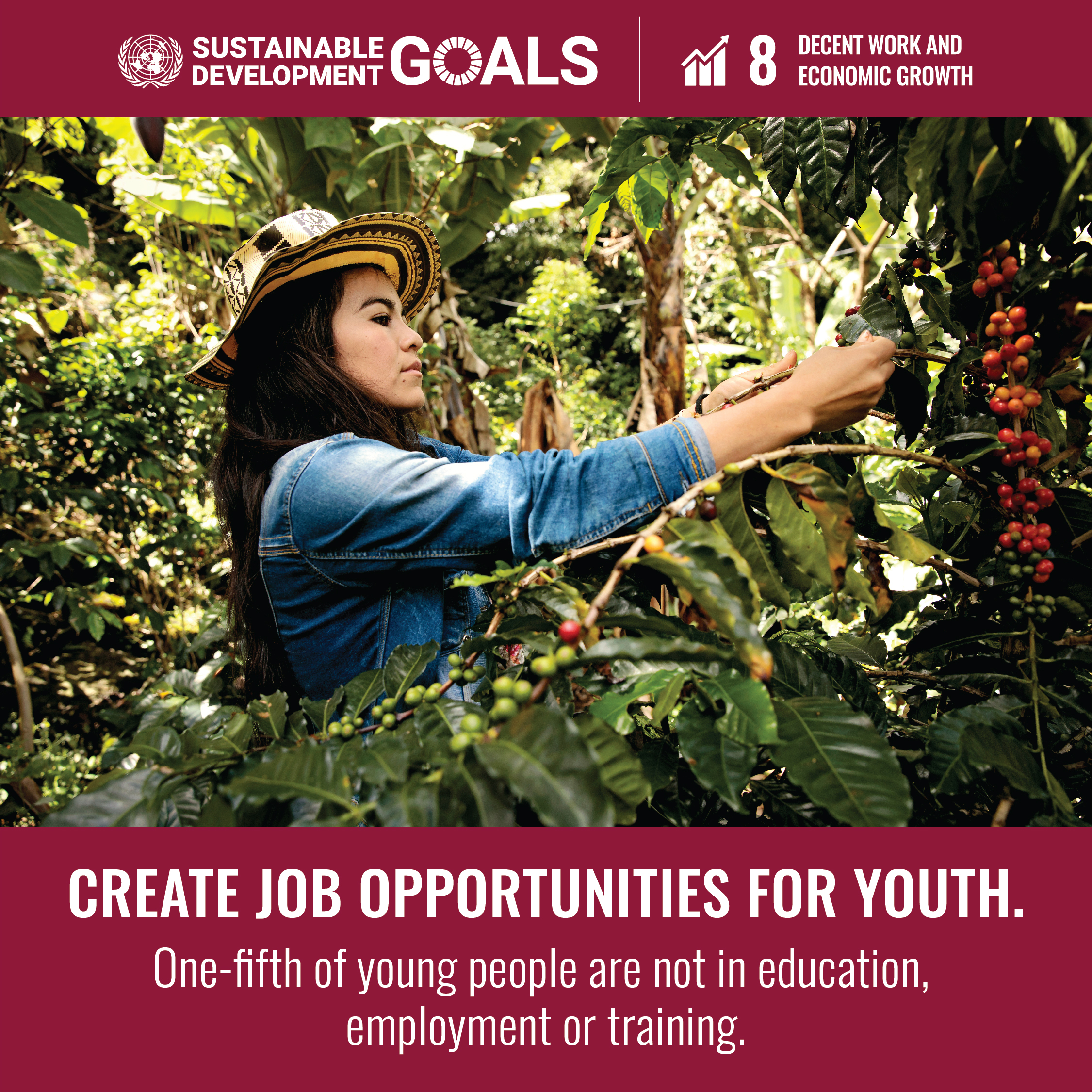
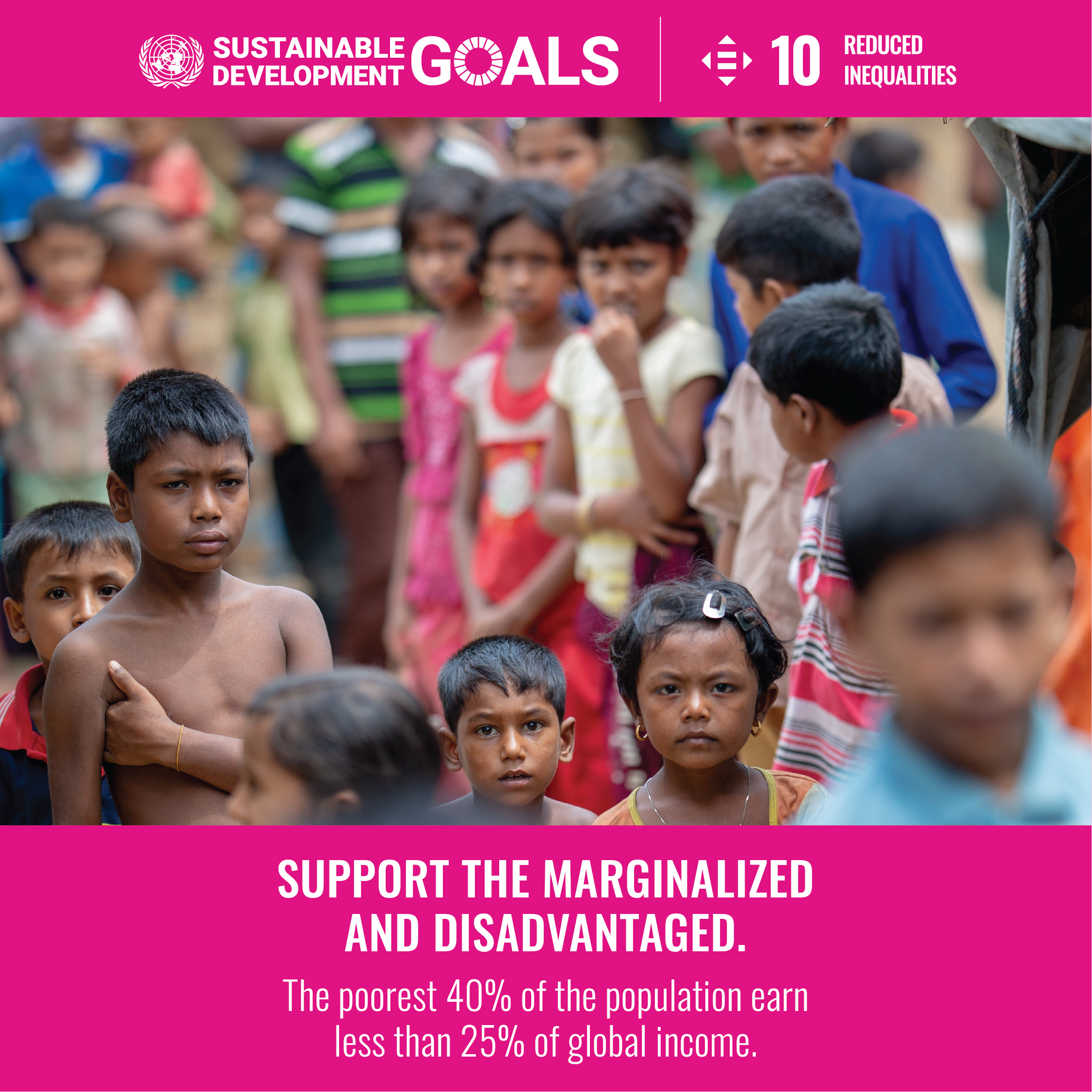
Code Chautari
Every child deserves to code and bring their imagination to life.
Our mission has five main pillars.
Computer Literacy
Make kids computer literate so that they can use digital tools and the internet to build other skills and knowledge required for higher studies or future career.
Computational Thinking
Develop computational thinking ideas ( Decomposition, Pattern Recognition, Abstraction and Algorithmic Design ) and problem solving skills through programming/coding as a tool.
Self-Directed Learning
Develop 'self-directed learning' mindset and researching skills. Build habits of using digital tools to strengthen and broaden knowledge in any topic or subject.
Career
Provide exposure to the kids about programming so that they can experience it first-hand and decide for themselves if they see it as a subject/career they want to pursue in the future.
4C's of 21st Century Learning Skills
Develop the four C’s - Collaboration, Creativity, Critical Thinking, Collaboration in students' mental processes required to adapt and improve upon a modern work/study environment
Postato da

