


Design a Robotics Course
Code Chautari is an after school program for public schools in Nepal with a series of connected classes on Computer Literacy and Computer Programming. It aims to develop computer skills, build computational thinking and problem solving skills.
Currently we have a one year course where students learn basic computer skills and then transition to understanding basic concepts of computer programming using Scratch and Python. Our present curriculum includes only software programming.
Over the years with our experience, we have realized that kids want to engage with hardware and hands-on tangible materials as well apart from just coding on the computer. So we are looking for a person who can design a curriculum (along with all the detailed activities, teaching materials, lesson plans, etc) related to hardware programming and/or robotics.
The course can be targeted either towards a group of students with no programming knowledge and experience or a group of students with experience in Scratch Programming and basic understanding of programming concepts like loops, variables, operators, conditions etc.
The person will research all the tools, hardware and robotics kits that can be used to teach programming to the kids in a child-friendly way while also developing their computational thinking. The person will then design a full fledged robotics workshop with detailed lesson plans of each classroom activity. Later some mock classes will be done to observe students, take feedback and improve the lesson plans. They will have to think of a low-cost and easily available materials for the classroom.
With this volunteering project, you will get opportunities to:
a. Make an impact on Nepali kid's futures.
b. Interact with students of public schools in Nepal virtually.
c. Develop your course and learning design skills.
d. Better understand the educational challenges and opportunities in Nepal’s public schools related to Computer Science.
a. A Robotics Course Curriculum
b. Detailed lesson plans of each classroom activity
c. Instruction sheets of lesson plans wherever necessary
d. A learning assessment module as per required by the course
e. List of materials required, where to buy and their estimated cost
f. Facilitate classes based on the lesson plans to take feedback
g. Weekly update reports
h. A write-up (blog or article) about the overall process of designing the curriculum and how it might help kids learn programming
i. A write-up (blog or article) based on experiences from the classroom
j. A final report of the work done
a. Discussion with the school team and local teachers if required.
b. Virtual Classroom with white board, projector and computers with 16 students approximately.
c. Stationery readily available for use by the students during any lesson delivery.
d. If there is any classroom lesson that includes the use of kits viz. Arduino, Micro:bit and Makey-Makey, they are available for use by the students
Jalons
Débriefing final
Débriefing final avec l'équipe Code Chautari
Rapport final
Soumettre un rapport final (tâches accomplies, tâches non accomplies, défis, possibilités futures, etc.)
Liste des matériaux
Préparez une liste des matériaux nécessaires et des estimations de coûts correspondantes.
a. Pensez à des matériaux disponibles localement et peu coûteux.
b. S'il y a des matériaux qui ne sont pas disponibles localement, indiquez à l'équipe où et comment les acheter.
Préparez un module d'évaluation de l'apprentissage
Préparez un module d'évaluation de l'apprentissage
a. Le format et le nombre d'évaluations sont laissés à la discrétion du concepteur du cours
b. L'évaluation doit inclure des activités pratiques et être basée sur des projets plutôt que sur des examens écrits
Préparez des documents imprimables bien conçus
Préparez des documents imprimables bien conçus : programmes scolaires, plans de cours, fiches pédagogiques, etc.
Suivre le programme complet du cours
Suivez le programme du cours en vous basant sur les observations faites en classe et les discussions avec l'équipe Code Chautari.
Écrivez sur les expériences vécues en classe.
Rédigez un article (blog ou article) sur les expériences vécues en classe : ce qui a fonctionné, ce qui n'a pas fonctionné et ce qui doit être amélioré, etc.
Évaluation finale
Évaluation finale et test diagnostique des élèves
Cours virtuel par semaine
Au moins un cours virtuel par semaine.
a. N'importe quel cours peut être dispensé
b. Un enseignant existant aidera à la logistique et à l'animation.
Deux réunions virtuelles par semaine
Deux réunions virtuelles par semaine avec l'équipe Code Chautari
Pour rendre compte, discuter et échanger des commentaires.
Concevoir les premiers plans de cours
Concevez les premiers plans de cours en fonction du programme et recueillez les commentaires.
Rédigez un texte (blog ou article)
Rédigez un article (blog ou article) décrivant le processus d'élaboration du programme et la manière dont il aidera les enfants à apprendre la programmation.
5. Soumettre le premier jet
Soumettre la première ébauche du programme et recueillir les commentaires
4. Soumettre le plan initial du projet
et recueillir les commentaires de l'équipe Code
Chautari Exemple :
Jour 1 : Recherche sur un programme d'études existant
en robotique Jour 2 : Préparation d'une analyse comparative d'au moins 5 programmes de ce type, en mentionnant ce qui fonctionne pour les enfants au Népal, ce qui ne fonctionne pas et pourquoi, etc.
3. Interaction virtuelle avec les élèves
et test diagnostique initial
2. Préparez un test diagnostique.
pour mieux évaluer le niveau d'apprentissage et les compétences des élèves
1. Orientation
a. Discuter avec l'équipe Code Chautari afin de mieux comprendre les objectifs du projet, les attentes et les résultats attendus
b. Discussions sur le niveau d'apprentissage actuel des étudiants
Décision concernant le format du cours : cibler les élèves sans compétences ou avec des compétences de base ?
Compétences
Doit avoir
C'est bien de l'avoir
Les langues
Doit avoir
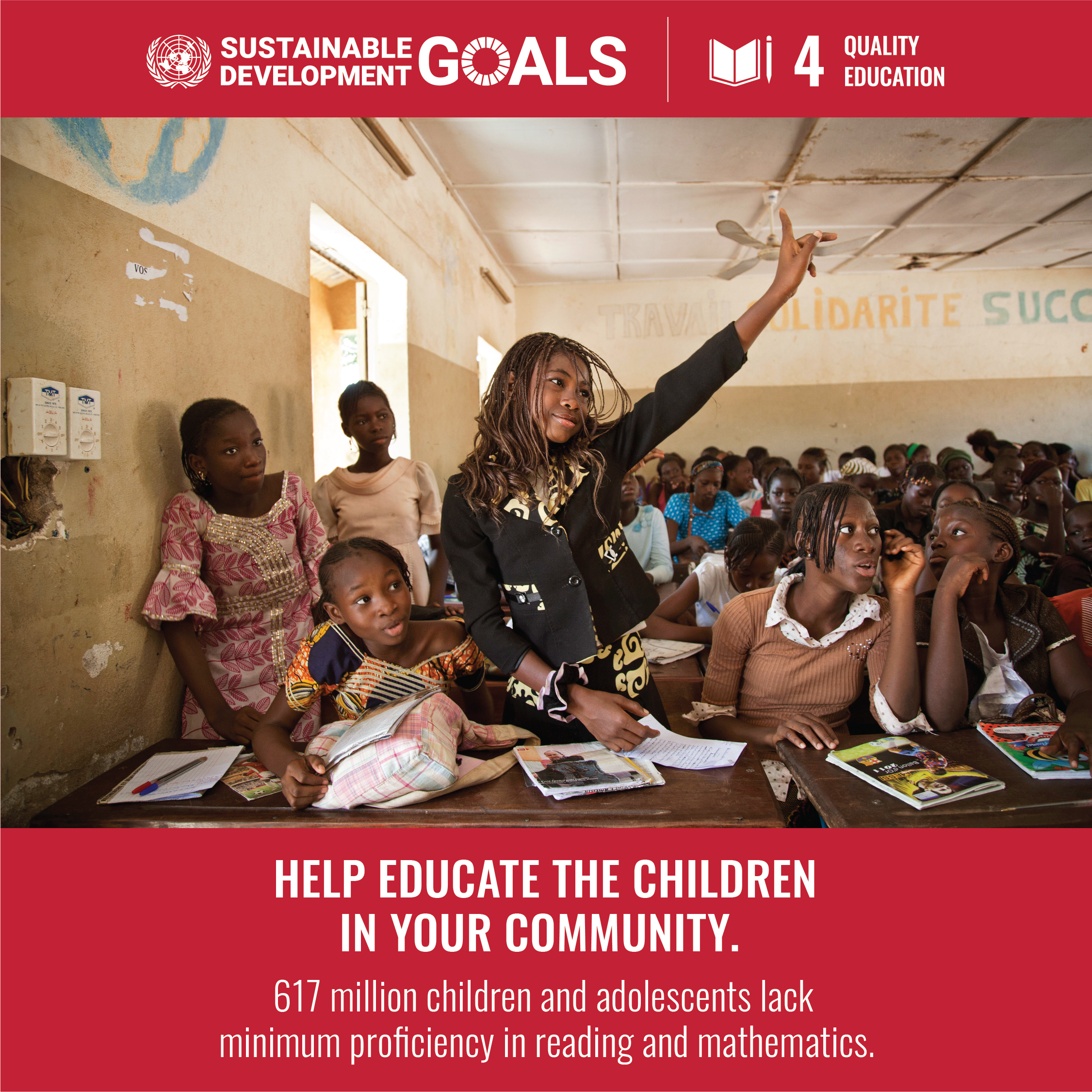
Soutien aux ODD de l'ONU



Code Chautari
Every child deserves to code and bring their imagination to life.
Our mission has five main pillars.
Computer Literacy
Make kids computer literate so that they can use digital tools and the internet to build other skills and knowledge required for higher studies or future career.
Computational Thinking
Develop computational thinking ideas ( Decomposition, Pattern Recognition, Abstraction and Algorithmic Design ) and problem solving skills through programming/coding as a tool.
Self-Directed Learning
Develop 'self-directed learning' mindset and researching skills. Build habits of using digital tools to strengthen and broaden knowledge in any topic or subject.
Career
Provide exposure to the kids about programming so that they can experience it first-hand and decide for themselves if they see it as a subject/career they want to pursue in the future.
4C's of 21st Century Learning Skills
Develop the four C’s - Collaboration, Creativity, Critical Thinking, Collaboration in students' mental processes required to adapt and improve upon a modern work/study environment
Publié par

