Lake Titicaca Giving Nature a Voice
Overview
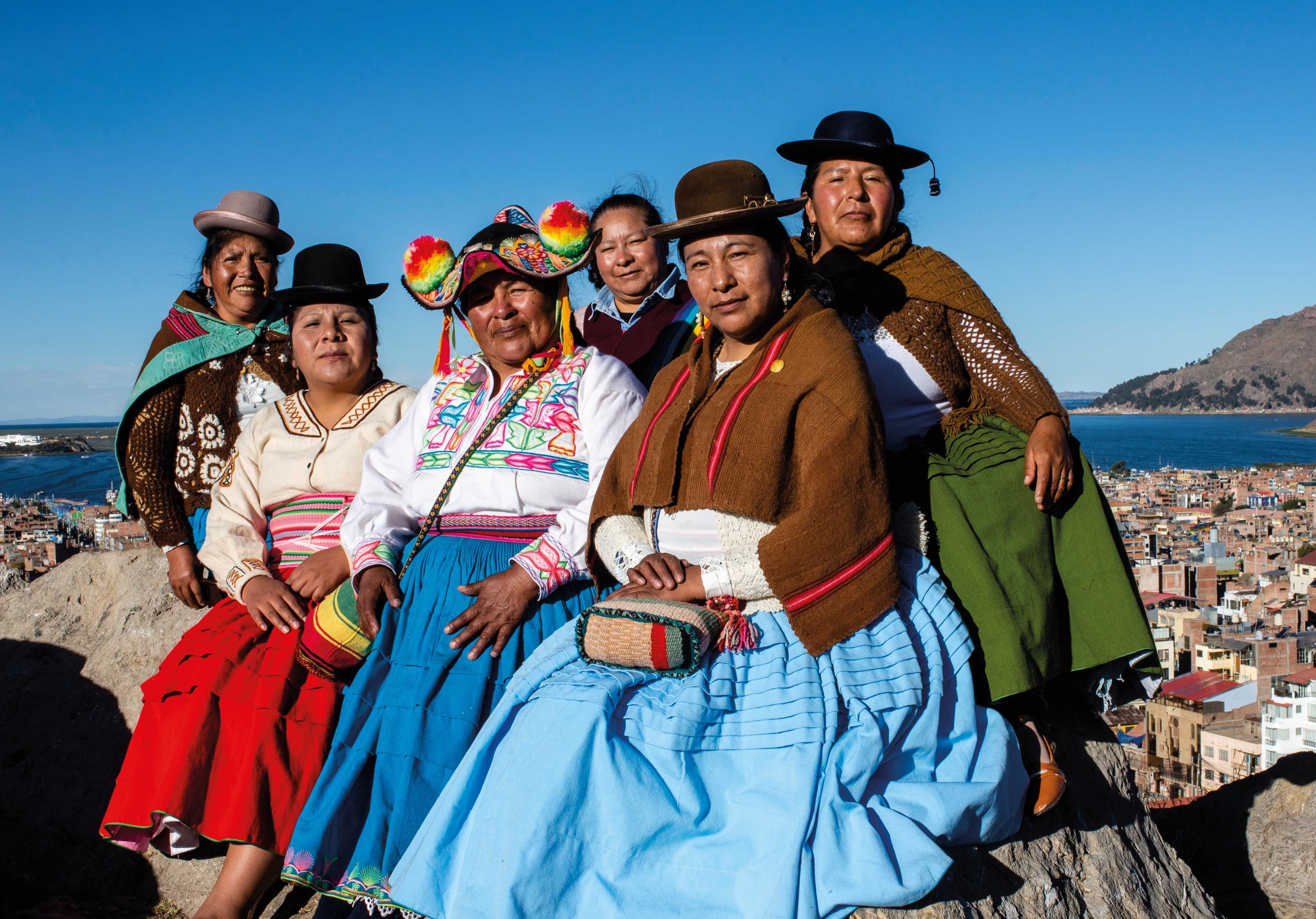
Situated more than 3,800 metres above sea level, between Peru and Bolivia, Lake Titicaca is central to the lives, livelihoods and cultural heritage of Indigenous Aymara, Quechua and Uru communities. Known as Mother Water, it also holds deep spiritual significance.
Yet this unique ecosystem faces growing environmental threats, including pollution from untreated wastewater, agricultural runoff and mining activities, alongside the effects of climate change.
In response, a network of Indigenous women leaders, working alongside local organisations and legal advisers, has been advocating for a new approach to protecting the lake: recognising it as a living ecosystem with rights of its own.
In May 2025, the Regional Government of Puno in Peru adopted an ordinance recognising Lake Titicaca and its tributaries as subjects of rights. The initiative represents an important milestone in community-led environmental protection, bringing Indigenous traditions and contemporary legal approaches together.
While the legal scope and practical implementation of the ordinance remain challenging, the initiative demonstrates how civic participation can help shape environmental policy and give local communities a stronger voice in protecting the natural resources on which they depend.
Challenges
Lake Titicaca faces increasing pressure from untreated wastewater, agricultural runoff, mining-related pollution and climate change. Declining water levels and deteriorating water quality threaten biodiversity, food security and the livelihoods of surrounding communities.
These environmental pressures are compounded by fragmented water governance, insufficient coordination between authorities in Peru and Bolivia and limited opportunities for Indigenous communities, particularly women and young people, to participate meaningfully in environmental decision-making.
Although legal recognition marks significant progress, translating the ordinance into effective protection, ecological restoration and accountability remains an ongoing challenge.
Solutions
The initiative supports Indigenous women and local communities in strengthening their participation in environmental governance and advocating for the rights of Lake Titicaca.
Working with local organisations and legal advisers, Indigenous women leaders helped develop the legal proposal that contributed to the adoption of the Puno regional ordinance in May 2025.
Alongside legal advocacy, community-based initiatives promote environmental education, youth engagement, water monitoring, public awareness and clean-up activities. Cross-border dialogue between organisations and authorities in Peru and Bolivia also helps strengthen cooperation on shared environmental challenges.
By combining Indigenous knowledge, community mobilisation and legal advocacy, the initiative seeks to establish more inclusive and sustainable approaches to protecting Lake Titicaca and its ecosystems.
Mission 21
Mission 21 is a Swiss-based organisation for international development and cooperation, partnering with around 70 civil society organisations and faith-based actors in 14 countries across Africa, Asia and Latin America. Operating at the intersection of humanitarian action, development cooperation and peacebuilding, we support people and communities affected by poverty, discrimination, conflict and crisis. Our focus is on education, gender justice, livelihoods and sustainable development, in line with the Sustainable Development Goals.
Posted by